



close

Lifestyle & fashion

Lifestyle & fashion

Designing A Custom Wedding Dress

custom made wedding dresses melbourne

There is something profoundly beautiful about imagining your wedding dress living on beyond your own celebration—becoming a cherished artifact in your family’s story, worn and admired by generations yet to come. This is the heirloom effect, a concept that transforms a garment from a single-day wonder into a timeless legacy. When you choose to invest in custom made wedding dresses Melbourne, you are not merely commissioning a gown for your own wedding; you are creating a tangible piece of family history. With thoughtful design choices and quality craftsmanship, your dress can become a treasured heirloom, carrying your love story forward to daughters, granddaughters, and beyond. This forward-thinking approach adds a beautiful dimension to your wedding planning, connecting your celebration to a much larger narrative of family, tradition, and enduring love.

The Philosophy Of Legacy: Why Heirlooms Matter

custom made wedding dresses melbourneIn our disposable culture, the concept of heirlooms feels increasingly precious. These objects—passed down through generations—carry stories, memories, and connections that transcend time. They ground us in family history and create tangible links to those who came before.

A wedding dress holds unique potential as an heirloom. It is intimately connected to one of life’s most significant celebrations. It carries the energy of joy, commitment, and hope. When a future bride wears a gown worn by her mother or grandmother, she literally steps into their shoes, feeling connected to their experience in a profoundly personal way.

This continuity is powerful. It tells future generations that love endures, that family stories continue, and that they are part of something larger than themselves. The heirloom dress becomes a symbol of resilience, romance, and the beautiful chain of connection that binds families together.

Designing For Tomorrow: Key Considerations For Heirloom Creation

Creating a gown with heirloom potential requires thoughtful choices that balance your personal style with timeless appeal. The goal is to design something that feels authentically you while remaining beautiful and relevant to future generations.

Timeless Silhouettes: While trends come and go, certain silhouettes possess enduring elegance. The ballgown, the A-line, the column—these shapes have graced weddings for decades and will continue to do so. When designing your heirloom gown, consider silhouettes that transcend specific eras. This doesn’t mean sacrificing personality; it means expressing your individuality through details rather than through a shape that may date quickly.

Classic With A Twist: The most successful heirloom gowns often balance classic foundations with personal flourishes. A timeless silhouette might feature your grandmother’s lace incorporated as an overlay. A simple column could showcase custom embroidery that tells your story. These personal touches make the gown uniquely yours while the underlying structure ensures it remains beautiful for future brides.

Quality Over Quantity: Heirloom design demands the very best in materials and construction. Your gown must be built to withstand decades of preservation and potential future wear. This means:

  • Choosing fabrics known for longevity, like quality silks and French laces

  • Insisting on traditional construction techniques—French seams, properly finished edges, robust stitching

  • Avoiding materials that degrade quickly, such as certain synthetic blends or adhesives

  • Ensuring all embellishments are securely attached and can be repaired if needed

The Preservation Partnership: Preparing For The Future

A crucial aspect of heirloom design is planning for the gown’s life after your wedding. Thoughtful choices during creation can dramatically improve your dress’s longevity.

Professional Preservation Compatibility: Discuss with your designer how your gown will interact with professional preservation. Some embellishments, fabrics, or constructions may require special handling. Your designer can advise on choices that will preserve well and recommend preservation specialists who understand couture garments.

The Art Of Repairability: One advantage of custom design is that your creator knows your gown intimately. Should repair ever be needed—decades from now, by a future generation—your designer or their successor will understand exactly how the dress was constructed. Some designers even include detailed construction notes with preserved gowns, ensuring future restorers have the information they need.

Separating For Success: Consider designing elements that can be easily separated or adapted. A detachable train, an interchangeable sash, or an overskirt that can be removed allows future brides to modify the gown while preserving its core. A veil or hairpiece made from the same lace can be worn separately, keeping the design cohesive while offering options.

Stories Woven In: Incorporating Family History

The most meaningful heirlooms carry multiple layers of family story. Your custom gown can become a repository of family history, incorporating elements from past generations while adding your own chapter.

Incorporating Family Textiles: Perhaps your grandmother’s wedding veil still exists, or your mother’s gown holds beautiful lace. A skilled designer can thoughtfully incorporate these precious materials into your new gown—as appliqués, as a hidden panel near your heart, or as the foundation for a new veil. This physical connection to family history adds immeasurable depth to your dress.

Designing With Future Stories In Mind: Consider how your gown might accommodate future additions. A pocket designed to hold a written message to a future bride. A small, accessible area where future generations could add their own embroidery or charm. These thoughtful touches invite continued storytelling.

Documentation As Legacy: Consider creating a beautiful book or letter that accompanies your gown through the generations. Document your wedding day, your design choices, the meaning behind details, and your hopes for future wearers. This written record becomes part of the heirloom, ensuring your voice reaches those who will wear your dress long after you’re gone.

The Practical Path: From Your Wedding To Future Generations

Once your wedding day has passed, thoughtful stewardship ensures your gown reaches its full heirloom potential.

Immediate Preservation: Have your gown professionally cleaned and preserved as soon as possible after your wedding. Don’t wait. Stains from champagne, cake, or grass may not be visible immediately but can set and become permanent over time. Professional preservation ensures your gown remains pristine for decades.

Proper Storage: Work with your preservation specialist to understand optimal storage conditions. Acid-free boxes, breathable materials, and climate-controlled environments all contribute to longevity. Avoid attics or basements where temperature and humidity fluctuate dramatically.

The Sharing Tradition: As your children grow, share the story of your dress. Show them photographs, explain the meaningful details, and let them touch the fabric if appropriate. This builds connection and anticipation, making it more likely that future generations will cherish and potentially wear the gown.

The Emotional Legacy: Beyond The Physical Garment

While the physical dress is precious, its true value lies in what it represents. The heirloom gown carries not just fabric and thread, but the love, hope, and joy of your wedding day. It embodies your commitment, your family’s continuity, and the beautiful future you envisioned.

When a future bride wears your gown, she doesn’t just wear a beautiful dress. She wears your courage, your joy, your hopes. She feels connected to you across time, participating in a tradition of love that transcends generations. This emotional legacy is the true heirloom effect—a gift that keeps giving, long after the fabric itself has aged.

A Gift To The Future

Designing a custom wedding dress with future generations in mind is an act of profound love and optimism. It says that you believe in family, in continuity, and in the enduring power of love. It creates a tangible link between your wedding day and celebrations yet to come, weaving your story into the larger tapestry of your family’s history.

As you collaborate with your Melbourne designer, consider the generations who may one day admire, touch, and perhaps wear your gown. Let their imagined presence guide your choices, inspiring you to create something truly timeless. Your dress becomes more than a garment; it becomes a gift to the future, a beautiful reminder that love stories never truly end—they just keep being told, one generation to the next.

In choosing to create an heirloom, you are doing more than planning your wedding. You are planting a seed that will bloom for decades, connecting your love to loves yet to come. And that, perhaps, is the most beautiful legacy of all.

read more
Lifestyle & fashion

Underground Water Detectors: Empowering Communities

underground water detector

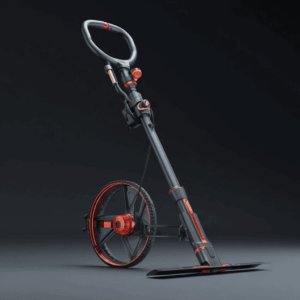
Water is the silent currency of life. Where it flows, communities thrive, crops flourish, and hope takes root. Where it is scarce, even the most determined efforts can wither. For countless farmers and rural communities around the world, the greatest challenge is not lack of willingness to work the land, but lack of knowledge about where to find the water that lies hidden beneath their feet. This is where an underground water detector transforms despair into possibility. These remarkable instruments empower farmers, well drillers, and community leaders to locate groundwater with confidence, turning dry, unproductive landscapes into thriving, life-giving lands. The result is nothing short of revolutionary—food security, economic stability, and genuine hope for generations to come.

The beauty of modern groundwater detection is its accessibility and reliability. No longer must communities rely on guesswork, divining rods, or the expensive gamble of drilling blind. With advanced yet user-friendly technology, anyone can identify the most promising locations for wells, saving precious resources and unlocking the life-sustaining water that has always been there, waiting to be found.

The Hidden Wealth: Understanding Groundwater

underground water detectorBeneath the surface of even the driest landscapes, vast reservoirs of freshwater often exist. These underground aquifers store water that has seeped through soil and rock over centuries, creating hidden rivers and lakes that can sustain agriculture, livestock, and human consumption. The challenge has always been locating these subterranean treasures without expensive trial-and-error drilling.

Traditional methods of finding water often relied on surface indicators—certain plants, geological formations, or even the behavior of animals. While these clues have value, they are imprecise. A farmer might invest thousands of dollars drilling a well, only to hit dry rock. That failed investment represents not just lost money, but lost hope, lost time, and lost opportunity.

Modern underground water detectors change this equation entirely. Using technologies such as resistivity imaging, electromagnetic conductivity, and seismic refraction, these instruments create detailed maps of what lies beneath the surface. They can identify the depth, thickness, and quality of potential aquifers before any hole is drilled.

The Technology: Seeing Beneath The Surface

Understanding how these detectors work makes their value clear. Different types of technology are available, each suited to specific conditions and needs.

Resistivity Method

This technique involves sending an electrical current into the ground through electrodes. Different subsurface materials conduct electricity differently. Water, particularly if it contains dissolved minerals, is a good conductor. Dry rock or sand is not. By measuring how the electrical current behaves, the detector creates a vertical profile of the ground, identifying zones where water is likely present.

Electromagnetic Conductivity

Similar in principle to resistivity, electromagnetic methods work without direct ground contact. A transmitter coil generates a magnetic field that induces currents in the subsurface. The resulting secondary magnetic field is measured by a receiver. Variations in conductivity reveal the presence of water, clay, or other materials. This method is excellent for rapid, large-scale surveys.

Seismic Refraction

This technique uses sound waves. A small impact on the surface generates waves that travel downward and refract (bend) when they encounter different layers of rock or sediment. By placing sensors along the ground and measuring the time it takes for the waves to return, operators can create a map of the subsurface structure, identifying potential water-bearing formations.

Empowering Farmers: From Survival To Prosperity

For smallholder farmers in regions with unreliable rainfall, access to groundwater is the difference between subsistence and genuine prosperity. A reliable well allows for:

Year-Round Cultivation: Instead of being limited to rainy seasons, farmers can irrigate crops continuously, producing multiple harvests annually. This dramatically increases food security and household income.

Drought Resilience: During dry years, when surface water vanishes and rain-fed crops fail, groundwater-fed fields remain productive. The farmer with a well does not just survive the drought; they thrive while neighbors struggle.

Diversified Agriculture: Reliable water allows farmers to shift from low-value staple crops to higher-value vegetables, fruits, or even aquaculture. A small plot of irrigated tomatoes or peppers can generate more income than acres of rain-fed grain.

Livestock Security: Animals need water daily. A dry-season well ensures that cattle, goats, and poultry remain healthy and productive, providing milk, eggs, meat, and income throughout the year.

These benefits compound over time. The farmer who drills a successful well invests not just in water, but in education for children, healthcare for family, and improvements to the land itself. One accurate detection can lift a family from survival mode into genuine flourishing.

Transforming Communities: The Ripple Effect

When a single farmer finds water, the benefits rarely stop at their field. The positive impact ripples outward:

Shared Wells: In many communities, successful wells become shared resources. Neighbors contribute to maintenance in exchange for access, building social cohesion and collective resilience.

Local Economies: Water availability attracts investment. Markets grow around reliable water sources. Small businesses—vegetable washing, livestock watering, brick making—emerge where water is accessible.

Women and Girls: In regions where collecting water falls to women and girls, a local well transforms lives. Hours previously spent walking to distant sources become hours for education, income generation, and rest. Girls are more likely to attend school when water is nearby.

Migration Reduction: When rural areas become productive and livable, the desperate push to overcrowded cities diminishes. Families stay on their land, maintaining cultural connections and community structures.

Reducing Risk, Saving Resources

Beyond the human benefits, underground water detection is simply good economics. Drilling a well is expensive. Equipment, fuel, casing, and labor costs add up quickly. A failed well—one that hits insufficient water or none at all—is a devastating loss.

An underground water detector dramatically reduces this risk. For a fraction of the cost of a single failed drilling attempt, a community can survey multiple potential sites, identify the single most promising location, and drill with confidence. The success rate increases from a gamble to near certainty.

This risk reduction is particularly valuable for development organizations, NGOs, and government agencies working with limited budgets. Every dollar saved on failed wells is a dollar available for additional wells, agricultural training, or community health programs.

Environmental Stewardship

Modern underground water detection also supports responsible environmental management. By precisely locating aquifers, communities can avoid drilling into sensitive zones, such as saltwater intrusion areas or regions where over-extraction would damage ecosystems. Informed drilling is sustainable drilling.

Furthermore, understanding groundwater depth and recharge rates allows communities to manage extraction responsibly. A well placed in a deep, well-recharged aquifer can provide water for generations. A poorly placed well might go dry within years, leaving the community worse off than before.

A Hopeful Future

The story of water is the story of human civilization. Where water flows, life follows. Underground water detectors are powerful tools for writing hopeful new chapters in that ancient story. They democratize access to groundwater information, empowering farmers and communities to find the resources they need to thrive.

For the farmer staring at dry fields during a long season, a detector offers not just technology, but hope. For the community gathering funds for a well, it offers not just data, but security. For the child who will drink clean water and attend school instead of walking miles to a distant source, it offers not just convenience, but a future.

Underground water detectors are bringing life back to the land. They are quiet instruments of profound change, transforming parched earth into productive fields, scarcity into abundance, and despair into enduring hope. The water is there, waiting beneath our feet. We simply need the wisdom to find it.

read more
Home Decoration

Det levende klasserommet: Læringsmuligheter i ethvert drivhus

fasadenor.no/product-category/drivhus/premium-drivhus/

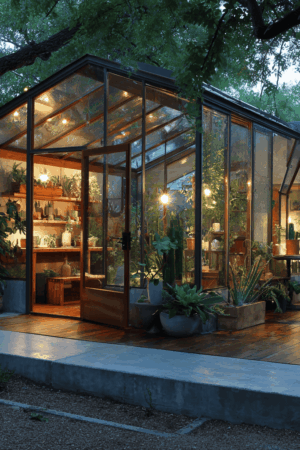
I hjertet av hver hage ligger et sted der læring gror, og fremtidige generasjoner får røttene til sin kunnskap og miljøforståelse. Dette stedet er et drivhus – Norges grønneste klasserom. For å gjøre denne visjonen til virkelighet, trenger du et robust og funksjonelt verktøy, skapt for det norske klimaet. For den seriøse gartneren, utdanningsinstitusjonen eller den som ønsker å skape et bedre læringsmiljø, utgjør et Premium Drivhus fra Fasadenor et solid fundament for utforskning. Du kan se hele sortimentet og planlegge ditt eget prosjekt på deres nettside: fasadenor.no/product-category/drivhus/premium-drivhus/. Men i dag handler ikke artikkelen om å selge et produkt, men om selve konseptet: hvordan et drivhus transformerer seg til et levende, pustende og uendelig inspirerende læringsrom.

Grunnfjellet For En Grønn Pedagogikk

fasadenor.no/product-category/drivhus/premium-drivhus/Tanken om å bruke naturen direkte som klasserom er både dyp og gammel i Norge. Fra den skandinaviske tradisjonen med skogbarnehager, eller Waldkindergartens, hvor barn tilbringer dagen ute i naturen uansett vær, til den moderne bevegelsen for skolehager, er prinsippet det samme: praktisk, sansebasert og opplevd læring gir en unik og varig forståelse.

Et drivhus tar denne filosofien til et nytt nivå. Det gjør naturen tilgjengelig, kontrollerbar og relevant hele året, og bryter vinterens grenser. Det tilbyr et beskyttet laboratorium der barn og unge ikke bare observerer livssykluser, men aktivt deltar i dem. Som ressursen Skolehager i Norge understreker, handler ikke et slikt klasserom om å ha den flotteste hagen, men om å gi elevene «relevant, nyttig og spennende undervisning».

Et Tverrfaglig Univers Under Ett Tak

Kunsten med et drivhus som klasserom ligger i dets grenseløse tverrfaglige potensial. Lærere over hele landet oppdager hvordan dette grønne rommet naturlig vever sammen fag og temaer som er sentrale i den nye lærerplanen (fagfornyelsen), som bærekraftig utvikling, folkehelse og livsmestring.

  • Matematikk og naturfag: Her blir tall og teorier til noe håndgripelig. Elevene måler veksthastighet, beregner areal for planting, lærer om fotosyntese ved å observere planter i ulike lysforhold, og forstår kjemien i jordblandinger og gjødsling. De ser vitenskapen i aksjon.

  • Biologi og økologi: Et drivhus er en perfekt inkubator for å forstå livet. Fra frøspiring til blomstring og fruktdannelse, følger elevene en hel livssyklus. De lærer om bestøvning, de oppdager økosystemer i miniatyr, og de forstår sammenhengen mellom sol, jord, vann og liv. Dette er nettopp den kunnskapen som er grunnlaget for fag som natur- og miljøforvaltning, som universitetene våre tilbyr.

  • Helse- og kostholdsundervisning: Når barn selv har dyrket, vannet og høstet en gulrot eller en håndfull tomater, oppstår det en helt annen relasjon til maten. Studier viser at dette ikke bare lærer dem om opprinnelsen til maten sin, men også kan oppmuntre til å prøve nye grønnsaker og forstå verdien av sunn mat. De lærer om «matens reise fra jord til bord – og tilbake igjen».

  • Kunst og design: Plantenes former, farger og teksturer er en evig kilde til inspirasjon. Drivhuset kan også være utgangspunkt for prosjekter innen gartendesign og botanisk kunst, kreative fag som også undervises på høyskoler som Vea – Norges grønne fagskole.

Forbereder Fremtidens Grønne Arbeidsstyrke

Drivhuset som klasserom er mer enn en lek eller et skoleprosjekt; det er en viktig bro til yrkeslivet. Ved å gi ungdom praktisk erfaring med planteproduksjon, økologi og vedlikehold, tenner det gnisten for fremtidige karrierer i den grønne sektoren.

Dette speiler direkte behovet i samfunnet. Som Universitetet i Sørøst-Norge (USN) påpeker, trenger samfunnet «fagfolk som kan bidra til å løse miljøutfordringene». En ung person som i et skoledrivhus har lært å ta vare på planter, forstår viktigheten av biologisk mangfold og har opplevd gleden ved å skape noe fra frø til frukt, har fått et unikt og verdifullt grunnlag. Dette kan føre dem videre til spennende utdanninger og karrierer, for eksempel som gartner, hagearkitekt, landskapsingeniør, eller innen naturforvaltning og miljøvern.

Fra Konsept Til Virkelighet: Slik Kommer Du i Gang

Å etablere et levende klasserom krever planlegging, men belønningen er enorm. Her er noen praktiske steg og tanker:

  • Start med visjonen: Hva er målet? Skal det være et klasserom for en skole, en barnehage, eller et fellesskapsprosjekt? Bestem omfanget og hvilke aldersgrupper som skal bruke det.

  • Velg et robust drivhus: Et klasseromsdrivhus må være trygt, holdbart og tilpasset norske forhold. Det bør være godt isolert for å kunne brukes mest mulig av året, og robust nok til å tåle både nysgjerrige hender og norsk vær.

  • Involver elevene fra starten: La dem være med på planlegging, planting og vedlikehold. Dette skaper eierskap og engasjement.

  • Integrer det i undervisningsplanen: Arbeid sammen med lærerkollegene for å utvikle konkrete, tverrfaglige prosjekter som kobler drivhusarbeidet direkte til læreplanmålene.

Et Frø For Livet

Et drivhus er mer enn glass og metall. Det er et symbol på muligheter, en inkubator for kunnskap, og et levende vitnesbyrd om at den beste læringen ofte skjer med hendene i jorda og blikket rettet mot vekst. Ved å investere i et slikt rom, investerer vi ikke bare i en fysisk struktur, men i fremtidens bærekraftige tenkemåte, helse og miljøforståelse.

Det gror en bred og entusiastisk bevegelse for dette i Norge, drevet av dedikerte lærere, foreldre og organisasjoner. Ved å plante frøet til et levende klasserom i dag, gir vi barna våre verktøyene til å dyrke en grønnere, sunnere og mer forståelsesfull fremtid for oss alle.

read more
Home Decoration

Hjemmets Elektriske Porter: Sikkerhet, Komfort Og Stil

www.fasadenor.no/product/garasjeport-250x210-antracite/

Å investere i en elektrisk port for hjemmet ditt er en fantastisk måte å øke sikkerheten, komforten og verdien av eiendommen din. Enten det er en garasjeport, innkjørselport eller inngangspartiet, gir elektriske porter en problemfri løsning for moderne husholdninger. For eksempel kan en garasjeport 250×210 antracite fra www.fasadenor.no/product/garasjeport-250×210-antracite/ gi både funksjonalitet og et elegant design som forbedrer fasaden.

I denne artikkelen utforsker vi hvorfor elektriske porter er en suksessinvestering, hvilke fordeler de tilbyr, og hvordan du velger den beste løsningen for ditt hjem.

www.fasadenor.no/product/garasjeport-250x210-antracite/1. Fordeler Med Elektriske Porter

Økt Sikkerhet

En elektrisk port gir et ekstra lag med beskyttelse for hjemmet ditt. Med automatiske låsesystemer og muligheten for fjernbetjening, kan du kontrollere hvem som kommer inn på eiendommen din. Dette er spesielt nyttig for familier med barn eller de som ønsker å redusere risikoen for innbrudd.

Ultimat Bekvemmelighet

Tenk deg å slippe å gå ut i regn eller snø for å åpne porten manuelt. Med en elektrisk port kan du åpne og lukke den med et enkelt trykk på en fjernkontroll, smarttelefon eller til og med via stemmestyring. Dette er perfekt for travelt folk eller de som ønsker mer komfort i hverdagen.

Stylish og Moderne Utseende

Elektriske porter finnes i flere design og farger, slik at de kan tilpasses husets arkitektur. En svart antrasittport gir et tidløst og sofistikert preg som øker både funksjonalitet og estetikk.

2. Typer Elektriske Porter

Skyveporter

Perfekt for eiendommer med begrenset plass, da de åpner sidelengs uten å ta opp ekstra plass.

Svingporter

Klassiske og stilfulle, disse porterne svinger inn eller ut og passer godt på større eiendommer.

Seksjonsporter

Ofte brukt til garasjer, disse porterne består av flere paneler som løfter seg opp og ned, noe som er plassbesparende.

Foldeporter

Ideell for små områder, disse porterne “brettes” sammen når de åpnes.

3. Slik Velger Du Riktig Elektrisk Port

Mål og Plassering

Sjekk størrelsen på åpningen din før du kjøper. For eksempel passer en 250×210 cm garasjeport godt for standard garasjeinnganger.

Materialvalg

  • Stål: Slitesterkt og sikkerhetsfokusert.
  • Aluminium: Lettvekts og rustfritt, perfekt for kystnære områder.
  • Tre: Naturlig og varmt utseende, men krever mer vedlikehold.

Automatiseringssystem

Velg mellom fjernkontroll, smartphone-integrasjon eller sensorer som åpner porten automatisk når du nærmer deg.

4. Vedlikehold Og Levetid

En elektrisk port er en langsiktig investering, og med riktig vedlikehold kan den vare i mange år. Her er noen tips:

  • Smøring av hengsler og skinner (minst én gang i året).
  • Reiniggjør sensorer for å unngå feilfunksjon.
  • Sjekk batterier i fjernkontroller regelmessig.

5. Fremtidens Porter: Smart-Home Integrering

Med smart-hometeknologi kan du nå styre porten din via Wi-Fi, sette opp tidsstyrte åpningstider eller til og med integrere den med hjemmesikkerhetssystemer. Dette gjør livet enklere og tryggere.

En Verdifull Oppgradering For Ditt Hjem

En elektrisk port gir sikkerhet, komfort og stil – alt i én løsning. Enten du velger en praktisk garasjeport i antracitt eller en elegant svingport for inngangen, vil denne investeringen løfte både funksjonaliteten og utseendet til hjemmet ditt.

read more
Lifestyle & fashion

Classic Men’s Fashion Trends

wood watches

In the 1930s men’s fashion tended to be less formal. Boxy sack suits and striped shirts with detachable collars became the norm.

Pantolettes now have front creases that add bulk and structure. Shirts gained soft collar points. Men wore hats, fedoras, wood watches and newsboy caps to finish their look.

The 1920s

Menswear in the 1920s was also a simple style, with soft collars, one- or two button suit jackets without waistcoats. Pinstripes were a favorite, as was the British wool and craftsmanship that distinguished Savile Row. Popular colors included dark browns, tans, and grays. Younger men opted for softer turndown and detachable collars, while older and upper-class gentlemen preferred the more traditional starched bib fronts.

wood watches

Morning suits and short tuxedos were the norm for formal occasions, while everyday attire centered around sweaters, flat-front trousers, and a pleated shirt. No ensemble was complete without the crowning touch of a hat, ranging from fedoras to bowlers and beyond. The resulting look was elegant and refined, with a balance of comfort, sophistication, and elegance. Douglas Fairbanks and Rudolph Valentino were the icons of the era, exemplifying its dandyish flare.

The 1930s

In the 1930s, grooming and appearance were taken very seriously by men. Hair was usually short and parted to the side, and often slicked down with pomade to give it a glossy, controlled appearance.

Sports coats and polo shirt became popular in the decade. These lightweight styles lent a casual look to an outfit and allowed for a variety of layers when needed.

Double-breasted suits were another staple of the era, as they offered a formal, sophisticated look. No outfit was complete without the fedora! The flat-fronted trousers of this era were also very flattering, and they gave the appearance of a longer leg. The 1930s style continues to influence men’s fashion today. This is because it emphasizes timeless styles and premium materials. These elements provide a refined and elegant aesthetic that is still desired today.

The 1940s

The 1940s were a decade characterized by style and sophistication. Sharp tailoring, refined grooming, and sharp tailoring were the key elements of a man’s appearance. Double-breasted suits and wider trousers were in. Wider ties were also popular in patterns with bright colors. In addition, men wore longer collar points, which were often adorned with tie pins. In the first half of the 20th century, rationing caused some styles to stagnate. Utility suits replaced the previous styles.

As the war ended, men’s fashion began to sober up, with fabric rationing and cutbacks in clothing production leading to a desire for practicality over style. Sweaters remained a staple, with cotton pique being popular. Hawaiian shirts were popular as casual wear, with their bright tropical prints providing a welcome break from the somber attire of the era. Suspenders allowed men to keep their pants up without using belts.

The 1950s

After the war, the rationing was lifted. Life became a bit more relaxed. This led to a change in the style of men’s clothing. Suits were no longer adorned with shoulder pads, ties became thinner and hats became narrower at the brim.

Three-piece suits remained popular for formal occasions, while sports jackets and casual clothing styles gained traction. Boxy jeans, polo shirts and car coats were popular among young men. Older men opted for corduroys and plaids.

During this time, Hollywood still had a strong influence on fashion. Actors wore styles that soon became popular with the rest. Rock Hudson Gregory Peck Cary Grant and other movie stars influenced fashion with their stylish look. A new generation of rebellious young people – known in Britain as Teddy Boys and in America as jocks – also appeared.

The 1960s

In the 1960s, men re-examined masculinity’s outdated rules. They looked to pop culture for inspiration, adopting bold colors and new patterns.

Tighter fits showed off youthful bodies and accentuated curves. Skirts often reached the hip and were worn with a matching jacket. Dress shirts came in pastels and patterned prints, balanced by skinny ties that widened to classic width to accommodate thin coat lapels.

Fashion-conscious youth was inspired by models like Twiggy, Jean Shrimpton, and Penelope Tree. Some dresses had hemlines that reached just above the ankle. Others were made from chiffon or crocheted lace with large tent shapes or psychedelic patterns. Evening dresses sparkled in sequins or beads.

The 1970s

The 1970s marked a break from the clean, classic look of previous decades. This was the era of disco style and punk fashion, where men’s clothing became more flamboyant and bold in color.

In the 70s, men wore a lot of wide-collar shirts. Electric blue was a popular color for tailoring. Platform styles became more popular, as did chunkier shoes.

Many menswear brands are reinterpreting this era today. A good example is the sleeveless shirt with wide lapels from AW18 from Edward Sexton, paired here with a navy sportcoat and workshirt. It’s a style with a bold silhouette that looks sophisticated and cool. Husbands Paris has a similar style, here paired with cords and jeans. The low button stance can also be reimagined by using trousers that taper at the thigh.

The 1980s

The ’80s style captured a sense boldness and individuality. Men found new ways to express their personalities. From power dressing to rebellious punk rock, the decade introduced trends that are still popular today.

In the ’80s, casual wear also became more popular. Men’s denim jeans became a mainstay in every wardrobe, and double-denim styles were stylish. Varsity jackets, featuring bold lettering and team logos, were a trendy fashion choice for young people.

Sportswear also took center stage, with tracksuits, sneakers, and workout tanks blurring the lines between exercise and casual wear. Don Johnson from Miami Vice exemplified the use of stylish loafers and polos as an alternative for formal business attire. Also popular were parachute pants, full-length trousers that tapered at the ankles and made famous by MC Hammer. These were often made of nylon “windbreaker” material.

The 1990s

The 1990s saw a shift in men’s fashion, as they embraced a more casual look influenced by hip-hop and rave culture. The 1990s saw young men adopt oversized flannel, band T-shirts, cardigan sweaters and Converse shoes. Kurt Cobain’s ripped jeans also sent a rebellious message.

Men also liked to wear graphic tees in large sizes with popular logos and brands. These tees were often worn with baggy pants or cargo shorts, and sometimes paired with a baseball cap.

Suits became more relaxed, with looser fitting jackets and roomier pants. In the 90s men’s clothing also began to feature bold patterns and fabrics. For example, pinstripes and checks were paired with wide lapels for a more powerful look. Shirt collars also became longer and pointed.

The 2000s

Styles were more diverse than ever during this decade. Men wore dresses over jeans or velour tracksuits.

Baggy pants with multiple pockets and shorts were a major fashion trend that combined function and style. They were paired together with graphic tees, which were larger than normal shirts and featured bold prints. This look was heavily influenced by hip-hop culture and iconic pop stars.

Also popular in the 2000s was a type of formalwear that looked like your grandpa’s cardigan. It’s a fad that’s currently making a comeback, as dudes are layering J.Crew dress shirts over skinny jeans and adding bow ties or suspenders. It’s a weird fusion of influences that makes for some very strange outfits. It’s nice to see that men aren’t scared to experiment with style. It’s what keeps fashion interesting.

The 2010s

The 2010s saw some significant shifts that influenced men’s fashion. Streetwear has become a global phenomena thanks to Instagram and its “drop culture”, which allowed brands like Supreme or Off White to become big.

Men began to embrace resortwear as a new exciting category, reflecting the desire for style, comfort and ease of use. Sneakers (especially white ones) and stylish loafers have become extremely popular.

The decade saw influencers overtake models as style icons. It was a groovy time to be alive. Ryan Gosling, who wore a silk pyjama top and tuxedo in Drive to give a broodingly moving performance, helped him become a face of men’s fashion. The fannypack also made a return in this decade.

read more