

Water is the silent currency of life. Where it flows, communities thrive, crops flourish, and hope takes root. Where it is scarce, even the most determined efforts can wither. For countless farmers and rural communities around the world, the greatest challenge is not lack of willingness to work the land, but lack of knowledge about where to find the water that lies hidden beneath their feet. This is where an underground water detector transforms despair into possibility. These remarkable instruments empower farmers, well drillers, and community leaders to locate groundwater with confidence, turning dry, unproductive landscapes into thriving, life-giving lands. The result is nothing short of revolutionary—food security, economic stability, and genuine hope for generations to come.
The beauty of modern groundwater detection is its accessibility and reliability. No longer must communities rely on guesswork, divining rods, or the expensive gamble of drilling blind. With advanced yet user-friendly technology, anyone can identify the most promising locations for wells, saving precious resources and unlocking the life-sustaining water that has always been there, waiting to be found.
The Hidden Wealth: Understanding Groundwater
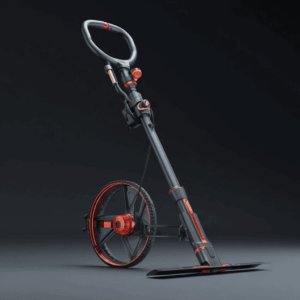 Beneath the surface of even the driest landscapes, vast reservoirs of freshwater often exist. These underground aquifers store water that has seeped through soil and rock over centuries, creating hidden rivers and lakes that can sustain agriculture, livestock, and human consumption. The challenge has always been locating these subterranean treasures without expensive trial-and-error drilling.
Traditional methods of finding water often relied on surface indicators—certain plants, geological formations, or even the behavior of animals. While these clues have value, they are imprecise. A farmer might invest thousands of dollars drilling a well, only to hit dry rock. That failed investment represents not just lost money, but lost hope, lost time, and lost opportunity.
Modern underground water detectors change this equation entirely. Using technologies such as resistivity imaging, electromagnetic conductivity, and seismic refraction, these instruments create detailed maps of what lies beneath the surface. They can identify the depth, thickness, and quality of potential aquifers before any hole is drilled.
The Technology: Seeing Beneath The Surface
Understanding how these detectors work makes their value clear. Different types of technology are available, each suited to specific conditions and needs.
Resistivity Method
This technique involves sending an electrical current into the ground through electrodes. Different subsurface materials conduct electricity differently. Water, particularly if it contains dissolved minerals, is a good conductor. Dry rock or sand is not. By measuring how the electrical current behaves, the detector creates a vertical profile of the ground, identifying zones where water is likely present.
Electromagnetic Conductivity
Similar in principle to resistivity, electromagnetic methods work without direct ground contact. A transmitter coil generates a magnetic field that induces currents in the subsurface. The resulting secondary magnetic field is measured by a receiver. Variations in conductivity reveal the presence of water, clay, or other materials. This method is excellent for rapid, large-scale surveys.
Seismic Refraction
This technique uses sound waves. A small impact on the surface generates waves that travel downward and refract (bend) when they encounter different layers of rock or sediment. By placing sensors along the ground and measuring the time it takes for the waves to return, operators can create a map of the subsurface structure, identifying potential water-bearing formations.
Empowering Farmers: From Survival To Prosperity
For smallholder farmers in regions with unreliable rainfall, access to groundwater is the difference between subsistence and genuine prosperity. A reliable well allows for:
Year-Round Cultivation: Instead of being limited to rainy seasons, farmers can irrigate crops continuously, producing multiple harvests annually. This dramatically increases food security and household income.
Drought Resilience: During dry years, when surface water vanishes and rain-fed crops fail, groundwater-fed fields remain productive. The farmer with a well does not just survive the drought; they thrive while neighbors struggle.
Diversified Agriculture: Reliable water allows farmers to shift from low-value staple crops to higher-value vegetables, fruits, or even aquaculture. A small plot of irrigated tomatoes or peppers can generate more income than acres of rain-fed grain.
Livestock Security: Animals need water daily. A dry-season well ensures that cattle, goats, and poultry remain healthy and productive, providing milk, eggs, meat, and income throughout the year.
These benefits compound over time. The farmer who drills a successful well invests not just in water, but in education for children, healthcare for family, and improvements to the land itself. One accurate detection can lift a family from survival mode into genuine flourishing.
Transforming Communities: The Ripple Effect
When a single farmer finds water, the benefits rarely stop at their field. The positive impact ripples outward:
Shared Wells: In many communities, successful wells become shared resources. Neighbors contribute to maintenance in exchange for access, building social cohesion and collective resilience.
Local Economies: Water availability attracts investment. Markets grow around reliable water sources. Small businesses—vegetable washing, livestock watering, brick making—emerge where water is accessible.
Women and Girls: In regions where collecting water falls to women and girls, a local well transforms lives. Hours previously spent walking to distant sources become hours for education, income generation, and rest. Girls are more likely to attend school when water is nearby.
Migration Reduction: When rural areas become productive and livable, the desperate push to overcrowded cities diminishes. Families stay on their land, maintaining cultural connections and community structures.
Reducing Risk, Saving Resources
Beyond the human benefits, underground water detection is simply good economics. Drilling a well is expensive. Equipment, fuel, casing, and labor costs add up quickly. A failed well—one that hits insufficient water or none at all—is a devastating loss.
An underground water detector dramatically reduces this risk. For a fraction of the cost of a single failed drilling attempt, a community can survey multiple potential sites, identify the single most promising location, and drill with confidence. The success rate increases from a gamble to near certainty.
This risk reduction is particularly valuable for development organizations, NGOs, and government agencies working with limited budgets. Every dollar saved on failed wells is a dollar available for additional wells, agricultural training, or community health programs.
Environmental Stewardship
Modern underground water detection also supports responsible environmental management. By precisely locating aquifers, communities can avoid drilling into sensitive zones, such as saltwater intrusion areas or regions where over-extraction would damage ecosystems. Informed drilling is sustainable drilling.
Furthermore, understanding groundwater depth and recharge rates allows communities to manage extraction responsibly. A well placed in a deep, well-recharged aquifer can provide water for generations. A poorly placed well might go dry within years, leaving the community worse off than before.
A Hopeful Future
The story of water is the story of human civilization. Where water flows, life follows. Underground water detectors are powerful tools for writing hopeful new chapters in that ancient story. They democratize access to groundwater information, empowering farmers and communities to find the resources they need to thrive.
For the farmer staring at dry fields during a long season, a detector offers not just technology, but hope. For the community gathering funds for a well, it offers not just data, but security. For the child who will drink clean water and attend school instead of walking miles to a distant source, it offers not just convenience, but a future.
Underground water detectors are bringing life back to the land. They are quiet instruments of profound change, transforming parched earth into productive fields, scarcity into abundance, and despair into enduring hope. The water is there, waiting beneath our feet. We simply need the wisdom to find it.